

Newport News, Virginia, experiences a humid subtropical climate characterized by hot, humid summers and mild winters. This climate results in a fairly even distribution of rainfall throughout the year, with average annual precipitation around 50.66 inches. Snowfall is minimal, typically occurring between December and February. The city’s proximity to the Atlantic Ocean and the Chesapeake Bay influences its weather patterns, contributing to moderate temperatures and humidity levels.
Seasonal Weather Patterns
During the summer months, temperatures often rise above 80°F, with July being the hottest month, averaging highs of 88°F and lows of 72°F. Winters are relatively mild, with average lows around 33.8°F in January. Spring and fall offer comfortable temperatures, making them ideal seasons for outdoor activities.
Environmental Concerns
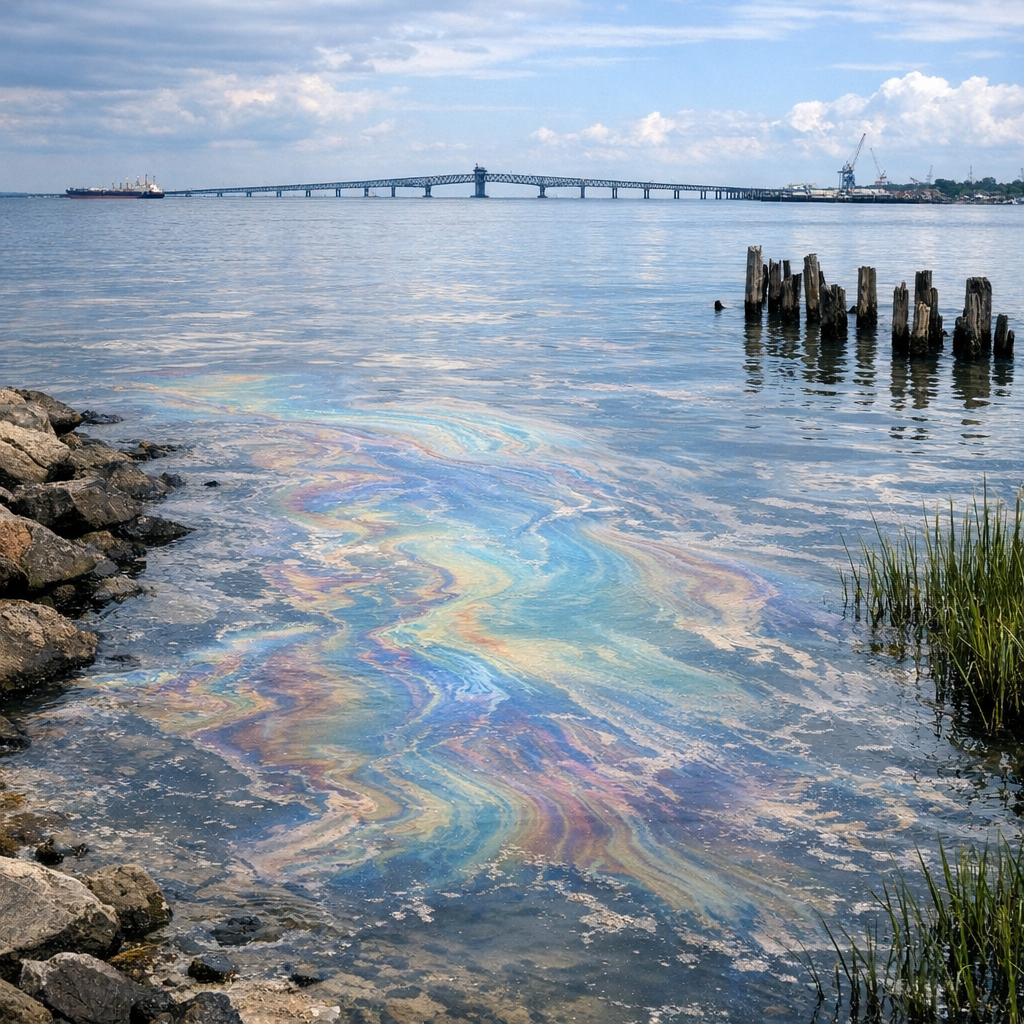
Newport News has faced environmental challenges, notably a significant jet fuel spill in the James River. In February 2026, approximately 7,700 gallons of jet fuel were accidentally released during a refueling operation involving the aircraft carrier USS John F. Kennedy. The spill led to noticeable fuel odors and visible sheen on the water, prompting health advisories for residents and boaters to avoid affected areas. Cleanup efforts were initiated promptly, with multiple agencies working to mitigate the environmental impact. The Virginia Department of Health confirmed that local drinking water remained safe, though residents were advised to avoid areas with strong fuel odors due to potential health risks.
Additionally, the city has been addressing issues related to coal dust in the Southeast neighborhood. Residents have reported coal dust settling on properties and affecting air quality, leading to health concerns such as asthma. Community advocates and environmental scientists have been monitoring air quality and working towards solutions to mitigate the impact of coal dust on the community.
Community Initiatives
In response to these environmental challenges, Newport News has implemented various programs aimed at improving water quality and managing stormwater runoff. The city’s Municipal Separate Storm Sewer System (MS4) program focuses on reducing pollutants entering local waterways through stormwater management practices. Additionally, Total Maximum Daily Load (TMDL) action plans have been developed to set pollution limits and strategies for reducing nitrogen and phosphorus levels in the Chesapeake Bay and its tributaries.
Understanding the local climate and being aware of environmental issues are crucial for residents and policymakers in Newport News. Continued community engagement and proactive measures are essential to address these challenges and ensure a healthy environment for all.